
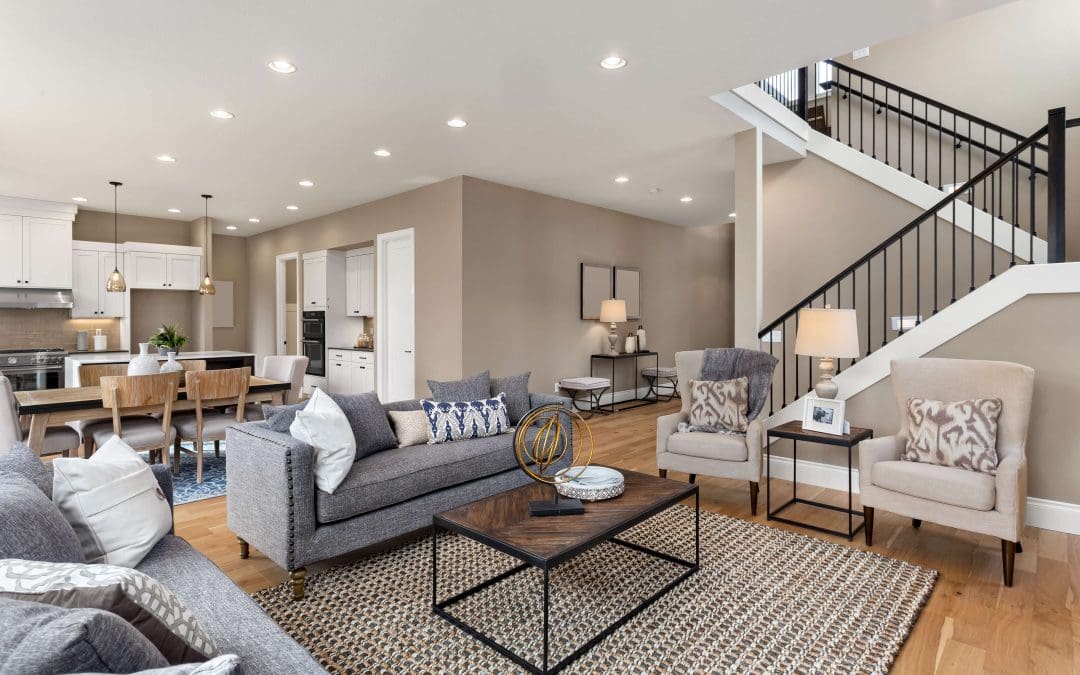
Creating a comfortable living space is about more than just décor; it’s about how your home feels on a day-to-day basis. A cozy space supports relaxation, functionality, and well-being while reflecting the needs of the people who live there. Whether you’re moving into a new home or refreshing a familiar one, small, intentional changes can make a noticeable difference in comfort and livability.
What Defines a Comfortable Living Space
A comfortable living space strikes a balance between function, warmth, and personal style. It should support how the home is actually used, not just how it looks. Lighting, temperature control, layout, and noise levels all contribute to the overall comfort of a space. When these elements work together, the home becomes a place to unwind, recharge, and enjoy everyday life.
Comfortable Living Space Through Smart Layout Choices
Furniture placement has a significant impact on comfort. Rooms should feel open and easy to move through, without overcrowding or awkward spacing. Seating areas work best when arranged to encourage conversation and relaxation, while walkways should remain clear and intuitive. In smaller homes, multifunctional furniture will help maintain a comfortable space without sacrificing usability. The goal is to create flow while keeping each room practical and inviting.
Lighting That Enhances Comfort
Lighting plays a powerful role in setting the mood of a home. A combination of natural light, overhead lighting, and task lighting creates flexibility throughout the day. Soft, warm lighting often feels more comfortable than harsh, bright bulbs, especially in living rooms and bedrooms. Window treatments that allow light in while maintaining privacy also contribute to a comfortable living space. Thoughtful lighting choices can make rooms feel larger, cozier, and more welcoming.
Temperature and Air Quality Matter
Comfort is closely tied to temperature and indoor air quality. Drafty rooms, inconsistent heating, or poor ventilation can make even a beautiful home feel unpleasant. Sealing gaps around windows and doors, maintaining HVAC systems, and using ceiling fans to improve air circulation all help create a comfortable living space year-round. Clean air filters and proper humidity levels also contribute to better comfort and overall health inside the home.
Texture, Color, and Personal Touches
Soft textures and calming colors add warmth and character to a home. Rugs, throw blankets, and cushions help soften hard surfaces and make rooms feel more inviting. Neutral color palettes paired with personal accents often create a sense of calm without feeling bland. Artwork, family photos, and meaningful décor make a comfortable living space feel personal and lived-in rather than staged.
Reducing Clutter for Everyday Comfort
Clutter can quickly disrupt comfort, making rooms feel chaotic and stressful. Thoughtful storage solutions help keep everyday items organized and accessible without overwhelming the space. A comfortable living space supports daily routines by making it easy to find what you need while maintaining a clean, open feel. Regular decluttering helps preserve that sense of calm over time.
Maintaining a Comfortable Living Space Long-Term
Creating a comfortable space is not a one-time project. As needs change, spaces may need to adapt. Paying attention to how rooms are used, how they feel at different times of day, and what causes discomfort allows homeowners to make adjustments that improve livability. Comfort grows from intention, consistency, and a willingness to refine the space over time.
A comfortable living space supports both physical comfort and peace of mind. With thoughtful layout choices, proper lighting, good air quality, and personal touches, homeowners can create environments that feel welcoming, functional, and truly enjoyable to live in every day.
Encompass Home Inspection Service offers home inspections to homebuyers and sellers in Southern New Jersey and Southeastern Pennsylvania. Contact us to schedule our services.